

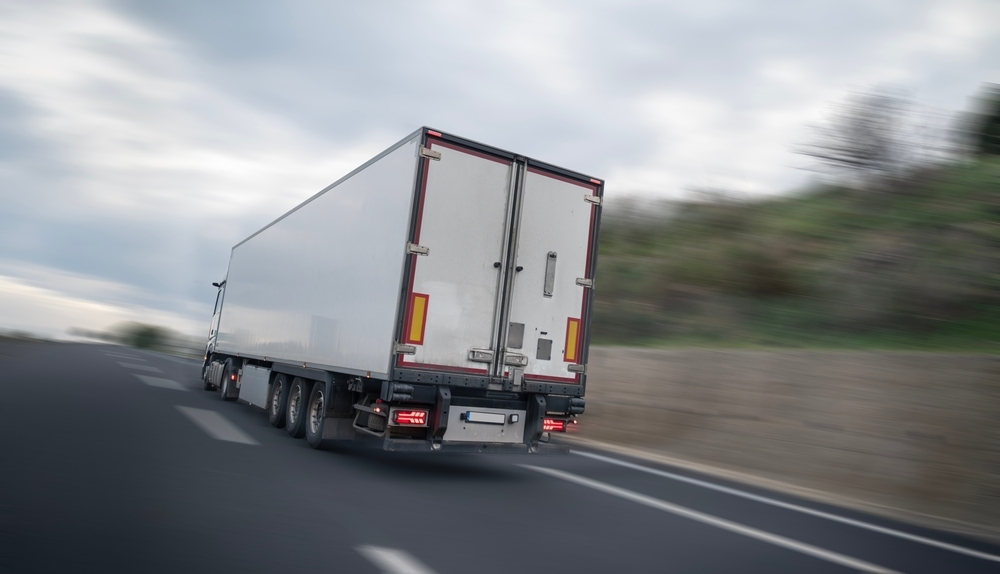
Winter brings unique challenges to South Jersey’s roadways, especially for drivers sharing lanes with large commercial trucks. Snow, sleet, black ice, and reduced visibility create dangerous driving conditions across the region. But one behavior becomes even more hazardous this time of year: tailgating, or following too closely behind a truck. If you were a passenger injured in a crash where the driver of your vehicle was tailgating a commercial truck, you may still have options worth exploring.
At the Law Offices of Howard N. Sobel, P.A., we know winter weather can quickly turn limited space on the road into a serious collision. Understanding how these crashes occur and why trucks pose heightened risks in cold conditions is a critical step in staying safe throughout the season.
This guide explains why tailgating behind trucks becomes especially dangerous in winter, the types of accidents it can cause, and what to do if you or someone you love has been injured in a collision with a tractor-trailer in New Jersey.
Why Tailgating Becomes Even More Hazardous in Winter
Following too closely is risky in any season. But winter amplifies the dangers for several reasons, many of which relate to the unique size, weight, and stopping mechanics of 18-wheelers, big rigs, tractor-trailers, delivery vans, and other commercial trucks.
Trucks Require Far Longer Stopping Distances on Icy Roads
Even under ideal conditions, a fully loaded 80,000-pound commercial truck needs a significantly longer distance to stop compared to a passenger vehicle. When winter adds snow, ice, and freezing rain to the equation, stopping distances can increase dramatically.
For drivers following too closely, this means there may be little to no time to react if a truck brakes suddenly, which can lead to severe rear-end collisions depending on how the impact occurs and who is injured.
Reduced Visibility Behind Trucks Is Worse in Snow and Slush
Driving closely behind a truck limits what you can see ahead. In winter storms, this visibility shrinks even more. Trucks throw snow, slush, salt, and road spray directly into trailing vehicles’ windshields, making it harder to judge distance or anticipate hazards.
When visibility is compromised, even a brief delay in braking can have devastating consequences.
Black Ice Makes Quick Maneuvers Nearly Impossible
South Jersey roads often experience black ice, especially on bridges, overpasses, shaded areas, and secondary roads throughout Camden, Burlington, and Gloucester Counties.
If you are tailgating and need to suddenly change lanes or stop, black ice leaves little to no room for error. Passenger vehicles may slide under a truck’s trailer (an underride crash) or spin out, leading to multi-vehicle collisions.
Trucks Have Major Blind Spots, Especially in Poor Weather
Commercial trucks have significant “no‑zones” where visibility is limited. The most dangerous is the right‑side blind spot, which can span two or three lanes along the entire length of the trailer. Other major blind spots include the area directly in front of the cab, about 20 feet, and the area directly behind the trailer, about 30 feet. Tailgating places your vehicle in one of these high‑risk zones, and when visibility is reduced by snow, fog, or sleet, the truck driver is even less likely to see you.
If the truck needs to brake, slow down, or change lanes, your car may be caught in the path of a much larger, heavier vehicle.
How Tailgating Behind Trucks Leads to Serious Winter Accidents
Tailgating contributes to several types of truck‑related crashes during the winter months. In South Jersey, common scenarios include:
Rear-End Collisions
When drivers follow too closely behind trucks, rear-end collisions are among the most common outcomes. Even a low-speed impact can cause serious injuries, including neck and back injuries, traumatic brain injuries, and complex orthopedic damage.
If a passenger vehicle strikes the rear of a commercial truck, those cases are often difficult to pursue on behalf of the driver. However, injury claims may still be viable for passengers in the vehicle. By contrast, when a commercial truck rear-ends a passenger vehicle and someone is injured, those claims are commonly pursued because of the significant forces involved and the heightened duties placed on commercial drivers.
Underride Accidents
In an underride crash, a passenger vehicle slides underneath the rear of a truck’s trailer. These collisions often result in catastrophic harm because the lower portion of the car takes the majority of the impact.
Winter speeds, slippery road conditions, and poor visibility significantly increase the likelihood of underride accidents.
Multi-Vehicle Pileups
Tailgating in snow or freezing rain often contributes to chain-reaction crashes on major roadways like I-295, the New Jersey Turnpike, Route 73, and Route 130. When one vehicle rear-ends a truck, traffic behind may be unable to stop in time, causing a multi-car pileup.
Slide-Outs and Spin-Offs
If a tailgating driver hits black ice while braking, the vehicle may slide sideways or spin out, potentially even sliding under the truck or into other lanes of traffic. These slide-out crashes are common during sudden snow squalls that move quickly across South Jersey.
Why Trucks Pose Unique Risks Compared to Other Vehicles
It’s essential to understand that tailgating behind trucks is more dangerous than tailgating behind smaller vehicles. Trucks are simply designed and operated differently.
Large Trucks Have Higher Bumpers
This uneven height difference between a truck’s rear bumper and the front of a passenger car makes underride crashes more severe.
Improperly Secured Cargo Can Shift
In winter conditions, cargo may shift as trucks brake or turn, which can lead to sudden instability. A tailgating driver has no time to react if a truck sways or loses control.
Commercial Drivers Face Their Own Challenges in Winter
Truck drivers must navigate heavy winds, whiteouts, and rapidly changing conditions on South Jersey highways. Even professional drivers cannot always avoid hazards, especially when other drivers are following too closely.
Preventing Tailgating-Related Truck Collisions in New Jersey
Simple precautions can reduce the risk of truck accidents in winter:
- Increase your following distance to account for longer stopping times.
- Stay out of the truck’s blind spots, especially directly behind the trailer.
- Avoid sudden braking or lane changes, which are more likely to cause a loss of control in icy weather.
- Use your headlights, even during the day, to improve visibility in snow or rain.
- Pass with caution, ensuring you can see the truck’s mirrors and return to your lane safely.
- Slow down during snowstorms, sleet, freezing rain, or after dark when refreezing occurs.
Taking these steps helps protect you and your passengers and reduces risks in already hazardous winter conditions.
What to Do If You’ve Been Injured in a Truck Accident in South Jersey
A collision with a commercial truck can be overwhelming, especially when it happens in winter weather. You may be dealing with significant injuries, missed work, medical expenses, and uncertainty about what comes next.
If you’ve been hurt in a truck accident this winter:
- Seek medical attention immediately, even if injuries seem minor at first.
- Document everything, including photos of the crash, weather conditions, damage, and injuries.
- Avoid discussing the crash with insurance companies before speaking with an attorney.
- Consult a Camden County truck accident lawyer to help protect your rights and pursue compensation for medical costs, lost wages, and other damages (both present and future).
If you were injured in a truck accident as a passenger, understanding your rights early can make a meaningful difference in your recovery and your claim.
How the Law Offices of Howard N. Sobel Can Help
For more than four decades, the Law Offices of Howard N. Sobel, P.A. has been committed to helping individuals in Voorhees and across Camden County, Burlington County, Gloucester County, and the surrounding South Jersey communities after serious truck and motor vehicle accidents. Winter collisions can be complex, especially when dangerous road conditions, commercial trucking regulations, and insurance disputes all intersect. Our firm provides the experience and focused attention needed to guide clients through these challenges.
When you turn to our Camden County auto accident lawyers, you can expect a thorough and hands-on approach. We:
- Conduct a detailed investigation into the circumstances of your crash
- Evaluate weather conditions, roadway hazards, driver logs, maintenance records, and available black-box data
- Work closely with medical professionals and accident reconstruction specialists to support your claim
- Handle communications with insurance companies so you don’t have to
- Work to pursue full and fair compensation for your losses, including medical costs, lost wages, and pain and suffering
Every case is unique, and we take the time to understand how the accident has affected you and your family. Our goal is to manage the legal burdens while you focus on your recovery.
Speak With a Camden County Truck Accident Lawyer Today
Winter truck accidents often leave victims facing serious injuries, mounting medical bills, and long-term uncertainties. You do not need to navigate these difficulties on your own. If you or someone you love has been injured as a passenger in a truck accident involving a tailgating driver, the Law Offices of Howard N. Sobel, P.A. is prepared to guide you through the legal process and seek compensation for your losses.
Contact our Voorhees office to schedule a consultation. Evening and weekend appointments are available upon request, and we proudly serve clients throughout Southern New Jersey and the greater Philadelphia region.
Disclaimer: The articles on this blog are for informative purposes only and are no substitute for legal advice or an attorney-client relationship. If you are seeking legal advice, please contact our law firm directly.